
Understanding Slot Odds: How to Make Smarter Play Decisions
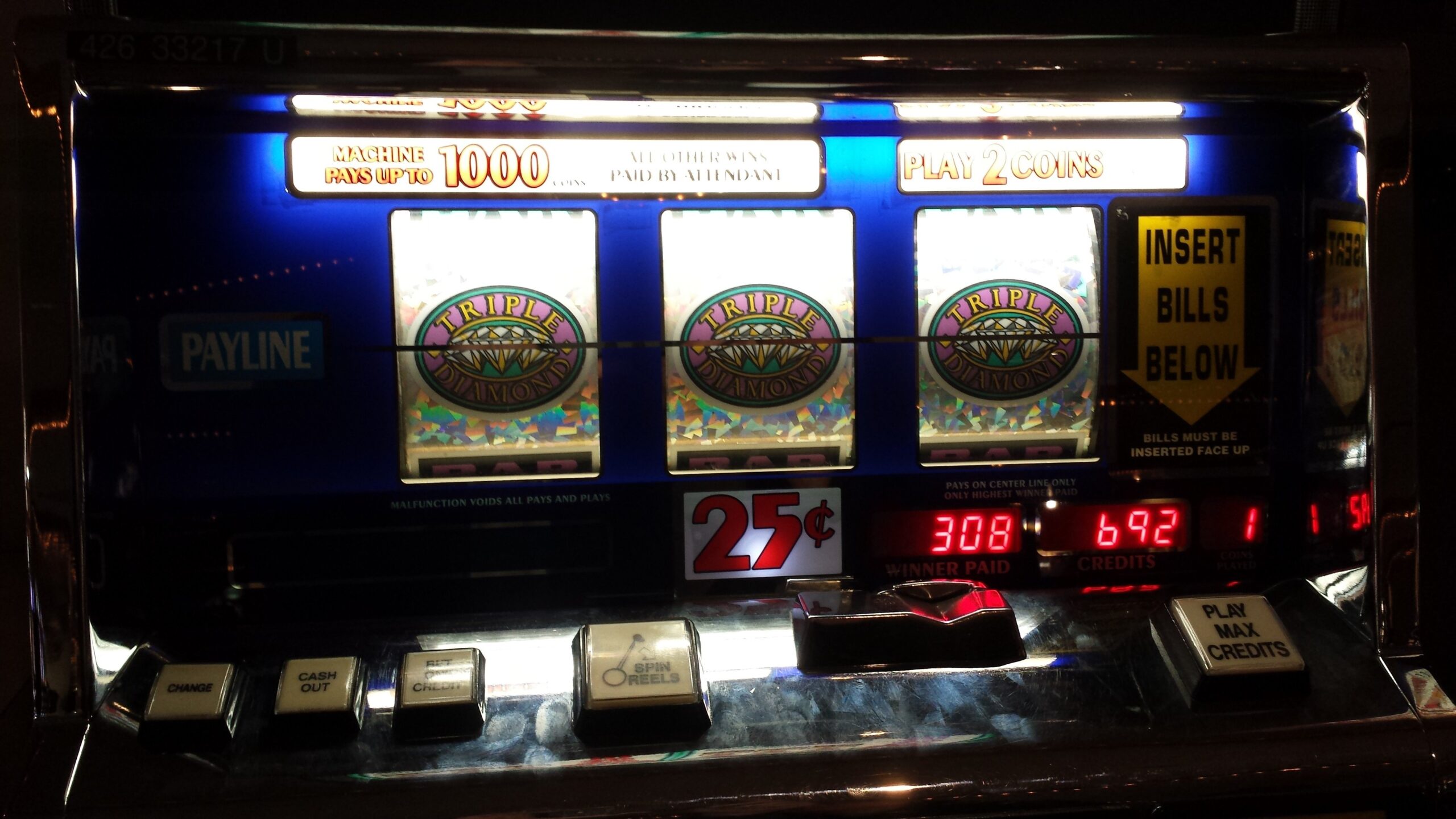
Today, we will be taking a long and hard look at slot odds. First of all, odds are a statistical measure of the likelihood of winning a particular game. Every single casino game is tilted in favor of the house, some more so than others.
Anyone who has played slots understands that winning can happen at any time. The topic of slot odds is dense, and it requires a thorough analysis.
Whenever a reference is made to slot odds, multiple factors are considered. Many people have a basic understanding of random number generators. These RNGs are algorithms programmed to randomize slot game outcomes.
There is widespread belief that the RNG determines outcomes as the reels are spinning, from left to right. This is one of the great illusions of slots games.
What really happens when you click the spin button or pull a lever on a one-armed bandit is somewhat less romanticized.
Whether you’re playing real money slots or free penny slots, all slots use cutting-edge tech to deliver results. Things happen so quickly that they can scarcely be recorded.
At the precise moment that the spin button of a slot game is depressed, the RNG has already determined the outcome of that spin. The show is purely for entertainment purposes.
RNGs use powerful code to generate a real-world, Lady Luck outcome for every spin. Independent third-party oversight is conducted by companies like iTech Labs, eCOGRA, and Technical Systems Testing (TST). Fairness, transparency, and credibility are critically important with casino games.
But this isn’t all we need to know about how slot odds are determined. We absolutely must consider many other factors, including volatility/variance, near misses, and minimum/maximum coin deposits.
Why is RTP important for understanding slot odds?
RTP stands for return to player. This is expressed in the form of a percentage. Slot machine games typically have RTPs ranging between 88% and just under 100% on the high end. This is perhaps best understood by using virtual tokens.
If you begin your gaming session on a slot with a 95% RTP, you can expect to win back 95% of the virtual tokens you play over the long-term. Granted, it’s a tall order because the long-term is typically measured over a million spins.
Very few players ever reach that milestone to be considered for long-term RTP outcomes. So, the RTP, while relevant to some degree, becomes largely ceremonial in nature for short-term players.
Players rarely stick to one slot for a lengthy session of play. They typically end up sampling many different games with their stash of virtual coins. However, RTP is an important criterion when choosing slots games.
The higher the RTP, the less players lose on that casino game over the long-term.The opposite side of RTP is the house edge – that’s 100% – RTP percent.
A game with a high house edge typically has a reduced RTP, and vice versa. This is where common sense comes in to play.
Anyone playing penny slots, fruit slots, jackpot slots, or video slots ought to understand the importance of RTP in any decision-making process.
Why is volatility/variance important for understanding slot odds?
Now for something completely different. Volatility can either be high, medium, or low. The higher the volatility, the bigger the payouts, but the more infrequent they are. By contrast, a low volatility slot game offers many smaller payouts on a frequent basis.
Players are advised to understand the significance of volatility/variance when it comes to understanding slot odds.
Given the choice between a high volatility slot, and a low volatility slot, which one might you choose? The high volatility slot doesn’t pay out often, but when it does, it’s usually substantial.
Players need larger coin budgets to absorb the infrequent payouts of high volatility slot games. You can get by with low volatility slots with a modest coin budget, but don’t expect big wins.
Players only get a feel for volatility when they drop anchor and play a certain slot game for a reasonable amount of time. Even with volatility, short-term outcomes, can generate any result.
It’s possible to win a jackpot of coins on your very first spin, or not at all. Lady Luck is the impact factor in all games of chance.
You may be lucky by nature in which case it doesn’t really matter whether it’s a high volatility or low volatility slot game.
Hit frequency is incredibly important for slot odds
Some of these factors overlap, like volatility, and hit frequency but they are different. With hit frequency, wins can be calculated over a period of time. If you play 1000 spins on a slot game and you chalk up 50 wins during that time, the hit frequency is approximately 20.
That means every 20 spins on average you can expect to win something. But it’s less about winning and more about how much you win in payouts.
If you play with X amount of virtual tokens and you come out with X – 50%, with 50 wins over 1000 spins, you’re down to half your bankroll at the end of the session.
This phenomenon is known as a loss disguised as a win (LDW). As a rule of thumb, you may want to avoid slot games that are front and center in a traditional casino. These are notoriously low payers.
They are designed to keep you engaged with a steady stream of small payouts. Another important point is that no slot machine is ever due for a win.
It’s a myth, but if you’re lucky, you can apply sensible decision-making in your slots gaming. As alluded to earlier, high RTPs, high hit frequency rates, and favorable volatility can work in your favor.