
The Economics of In-Game Trading: Virtual Goods, Real Value
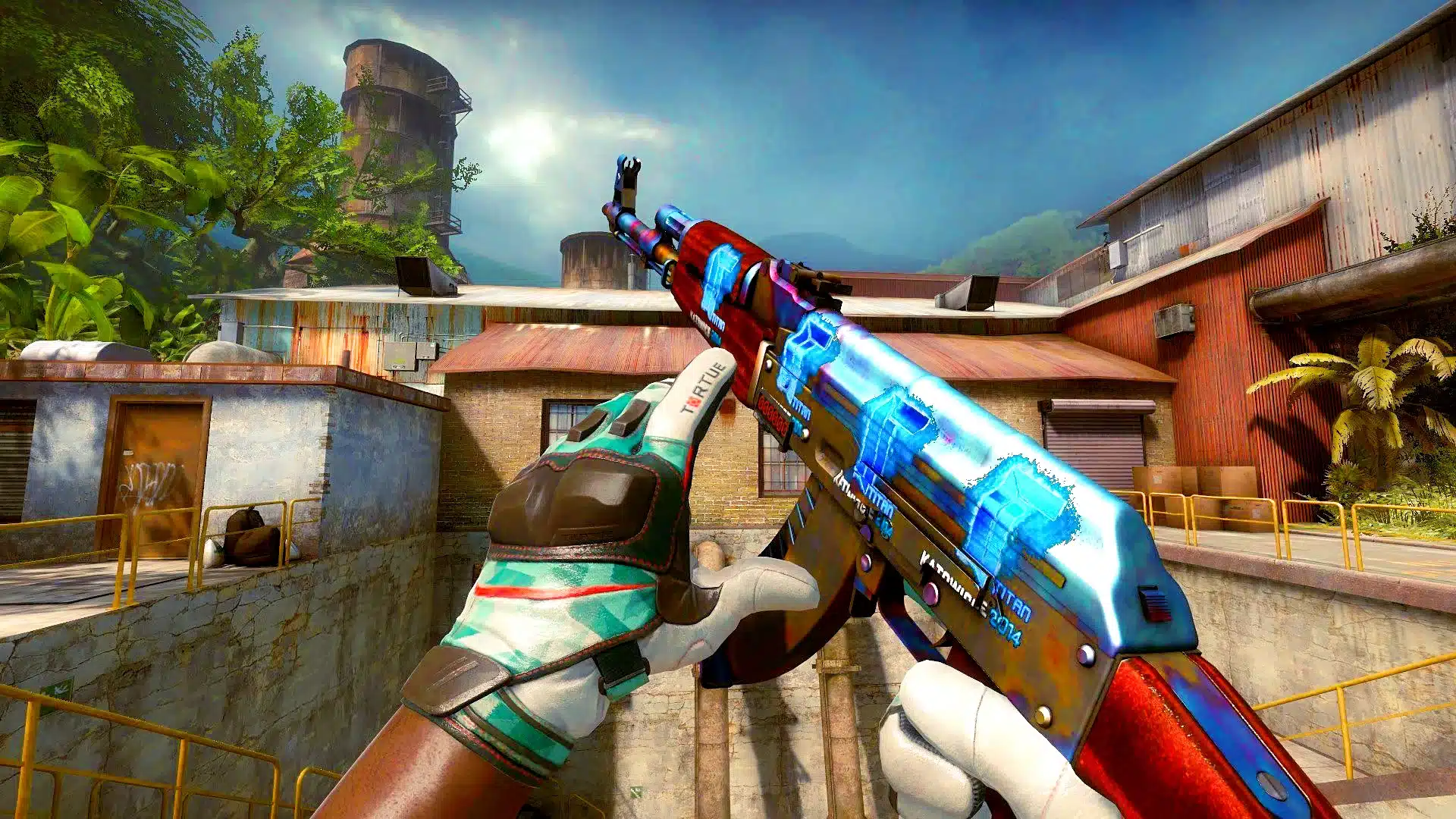
Digital items have real economic value. A cosmetic skin in Counter-Strike, a rare mount in World of Warcraft, or a legendary weapon in Path of Exile—these virtual goods trade for actual currency in markets worth billions annually.
What started as informal exchanges between players has evolved into sophisticated economies with price discovery mechanisms, investment opportunities, and thriving marketplaces.
Understanding these virtual economies reveals how digital goods create genuine value and how trading systems enhance gaming experiences for millions of players worldwide.
How Virtual Items Acquire Value?
Scarcity creates value in virtual worlds just as it does in physical ones. When only a tiny percentage of players own a particular item, that rarity makes it desirable.
Developers control scarcity through drop rates, limited-time availability, or crafting requirements that demand significant time investment.
This creates exciting opportunities for players to acquire valuable items through skill, dedication, or smart trading.
Utility provides another value source. Items that improve gameplay performance—better weapons, stronger armor, useful consumables—have obvious worth to players who want to progress faster or compete more effectively.
These items help players experience content they might otherwise miss due to time constraints or difficulty barriers, making games more accessible and enjoyable.
Social signaling explains why purely cosmetic items command high prices. Rare skins, exclusive emotes, or prestigious titles communicate status within gaming communities.
Just as people express themselves through fashion choices in the physical world, digital items let players showcase their personality, achievements, and style in virtual spaces. This self-expression adds meaningful depth to gaming experiences.
Player-to-Player Trading Ecosystems
Games with open trading systems develop vibrant economies where prices fluctuate based on supply and demand.
These markets create exciting opportunities for players who enjoy economic gameplay as much as combat or exploration.
Skilled traders build wealth through smart buying and selling, applying market knowledge and timing to profit from price movements.
These economies add an entirely new dimension to gameplay. Players can specialize as traders, crafters, or farmers, finding their niche within the game’s economic ecosystem.
Some players discover they enjoy market analysis and trading more than traditional gameplay, and these systems give them a legitimate way to engage with games on their own terms.
Trading hubs and marketplaces have emerged both within games and on external platforms. Some games provide official auction houses with sophisticated search and bidding systems.
Others rely on player-created market spaces—specific game zones where traders congregate, Discord servers where deals get negotiated, or websites listing available items and prices.
These marketplaces make trading efficient and accessible, connecting buyers and sellers seamlessly.
Third-Party Markets Enhance Player Choice
External marketplaces have become valuable resources for many game economies. Players who need specific items or currency can obtain them through dedicated services, letting them experience content without hundreds of hours of repetitive farming.
These platforms connect buyers and sellers efficiently, providing services that enhance the gaming experience for time-constrained players.
Services like RPGStash for game currency and items give players flexibility in how they progress. Working professionals, parents, and others with limited gaming time can still access endgame content and compete with friends who have more availability.
Rather than being locked out of content due to time constraints, players can choose how to invest their resources—time or money—based on what works for their situation.
These services also help players catch up when returning after breaks. Took six months off and your friends are now in endgame content?
Rather than grinding for weeks alone, you can acquire the gear needed to rejoin your group and enjoy content together. This keeps friend groups playing together and communities thriving.
Real-Money Trading Creates Opportunities
Real-money trading opens gaming to broader audiences by respecting different player circumstances. Someone working long hours still deserves to enjoy endgame raids, PvP competition, or story content they’ve paid to access.
Trading systems that recognize time as a resource create more inclusive gaming environments where different lifestyles can all engage meaningfully.
The market also creates economic opportunities. Skilled players can monetize their gaming expertise by farming rare items, offering services, or trading smartly.
Some players earn supplemental income through game trading, while others in regions with different economic conditions can earn substantial livings. This transforms gaming from pure entertainment into potential livelihood.
Developers increasingly recognize that players want flexibility in progression. Many games now include official systems for purchasing progression boosts, cosmetics, or currency.
This acknowledges player preferences while giving developers control over their economies. When done transparently and fairly, these systems benefit everyone—players get choice, developers get sustainable revenue for ongoing development.
Digital Ownership Gives Items Real Worth
Virtual items represent genuine investments. When you acquire a rare cosmetic or powerful weapon, you’ve obtained something with recognized value within your gaming community.
These items can be traded, sold, or simply enjoyed, giving players tangible returns on their time or money investments.
The permanence of digital items makes them attractive acquisitions. Unlike physical goods that wear out, virtual items maintain perfect condition indefinitely. Your rare mount looks identical on day one and day one thousand.
This durability adds to their value proposition—they’re one-time acquisitions that provide ongoing enjoyment.
Collection systems in games tap into the satisfaction of building something valuable over time.
Whether accumulating rare cosmetics, powerful gear sets, or complete collections, players create portfolios that represent their gaming journey. These collections have personal meaning and, often, real market value.
Vibrant Market Dynamics Create Excitement
Virtual item markets experience dynamic price movements that create genuine excitement. Spotting undervalued items before price spikes, timing sales perfectly, or cornering markets on soon-to-be-rare items—these activities provide intellectual challenge and real rewards. The markets add strategy layers that extend far beyond basic gameplay.
Major updates create market opportunities as meta shifts and new items enter circulation. Savvy players who understand game mechanics can predict which items will become valuable, positioning themselves to profit. This forward-thinking gameplay rewards game knowledge and strategic planning.
The thrill of finding valuable drops adds excitement to every play session. That rare item could be worth significant currency, turning a routine farming run into a jackpot moment.
This variable reward structure keeps gameplay engaging and makes every session potentially profitable.
The Psychology of Value and Achievement
Virtual spending reflects how people value experiences and convenience. Players willingly pay for items that enhance their enjoyment, save time, or let them express themselves.
This spending isn’t irrational—it’s people allocating resources toward something they find meaningful and enjoyable.
The satisfaction of acquiring desired items—whether through grinding, trading, or purchasing—creates genuine happiness.
Completing a perfect gear set, obtaining a rare cosmetic you’ve wanted for months, or finally accessing content your friends enjoy—these achievements matter to players regardless of acquisition method.
Games that respect player choice in how they progress create more satisfying experiences. Some players enjoy the journey of farming everything themselves. Others prefer jumping straight to content they find fun.
Trading systems and marketplaces let both approaches coexist, maximizing enjoyment across different player types.
Economic Impact Creates Real Opportunities
Virtual economies generate substantial real-world economic activity. Trading platforms employ people, professional gamers earn livings, content creators build careers, and entire industries support gaming economies.
This economic activity contributes to local and global economies while providing opportunities that didn’t exist a generation ago.
The skills developed through virtual trading translate to valuable real-world abilities. Market analysis, risk assessment, resource management, and strategic thinking—these skills apply across business and finance.
Young people learn economic principles through hands-on experience in game markets, developing intuition that traditional education struggles to teach.
Gaming economies also provide accessibility opportunities for people who face barriers in traditional job markets.
Players with disabilities, those in remote locations, or people with unconventional schedules can participate in gaming economies in ways traditional employment wouldn’t accommodate.
This creates income opportunities for people who might otherwise struggle to find suitable work.
A Positive Future for Virtual Economies
As virtual worlds grow more sophisticated, their economies become richer and more accessible.
Better trading tools, clearer pricing information, and more efficient marketplaces benefit everyone.
Players can more easily find items they want, sellers can reach broader audiences, and the overall ecosystem functions more smoothly.
The normalization of virtual item value helps players feel confident in their purchases. When games maintain stable economies and respect player investments, buying or trading items feels safe and worthwhile. This trust encourages healthy economic activity that supports games long-term.
Virtual goods have real value because they provide genuine enjoyment, save valuable time, and create opportunities for self-expression and achievement.
Trading systems that recognize this reality enhance gaming for everyone—letting players choose how they progress, creating economic opportunities, and building vibrant communities around shared interests.
The future of gaming economics looks bright as more games embrace flexible progression systems that respect different player needs and preferences.