
Luck vs. Skill: Why We’re Always Chasing the Next Spin
Whether it’s flipping a coin, rolling dice, or spinning a colorful reel, humans have always been drawn to games of chance.
But why does the thrill of randomness feel so satisfying, even when logic tells us the outcome is out of our hands?
The answer lies in how our brains interpret luck and skill—two forces we often confuse when it comes to play.
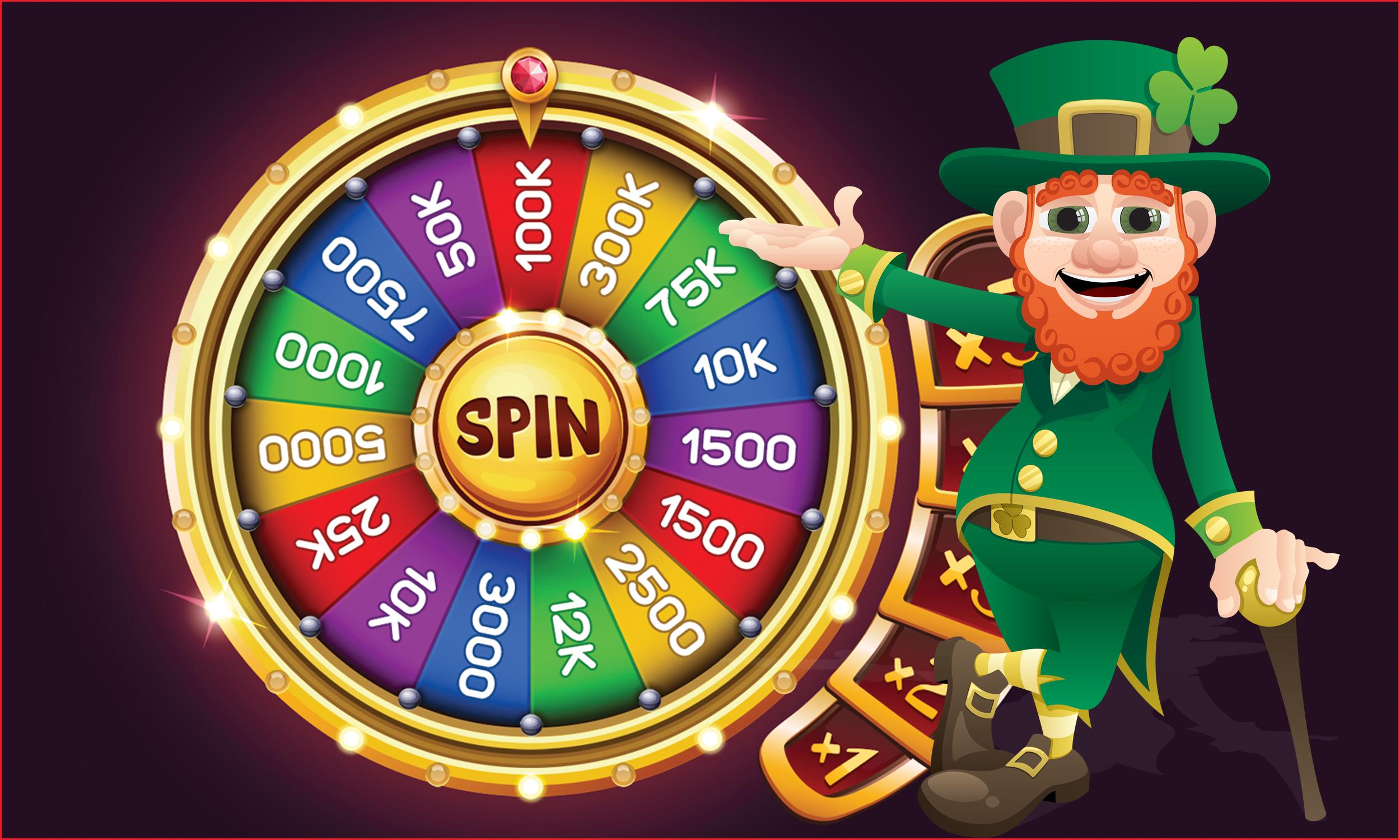
From early childhood board games to digital social casinos, the chase for the next spin is about more than just entertainment. It’s a complex dance between expectation, reward, and our natural desire to find patterns—even when none exist.
This blurred line between control and chaos is exactly what makes virtual games so engaging. On platforms like Highroller, a system where play is based on progression and fun, not stakes, the focus is on the fun of spinning, collecting, and leveling up without the risks tied to traditional casino play.
The Brain on Randomness: Why We See Patterns That Aren’t There
Your brain is wired to spot patterns, even in randomness. It’s part of a survival mechanism—ancient humans who noticed patterns in nature (like seasonal changes or animal behavior) had better chances of staying alive.
But in games that rely on chance, this instinct works against us. You’ve probably heard someone say, “I’m due for a win” or “That machine’s hot right now.” These beliefs stem from what’s known as the Gambler’s Fallacy—the idea that past outcomes influence future ones in random systems.
The reality? In a fair game, each spin is independent. The odds don’t change based on what happened before. But because we’re so used to cause and effect in everyday life, our brains try to apply that logic to random events, even when it doesn’t apply.
A study published by Scientific American highlights how the brain processes risk and reward in unpredictable situations. It found that the same neural circuits involved in making real-life decisions light up during games of chance—especially when unexpected wins occur.
The Role of Skill in Randomized Games
Even in games where outcomes are mostly random, skill still plays a part—just not in the way we often think. In social casino-style games, for instance, you can’t control when a win is awarded, but you can decide:
- When to play
- What type of game fits your play style
- How to use in-game features like boosts, spins, or leveling systems
These choices give players a sense of control. Over time, players learn how to optimize their decisions to extend play, unlock features, or maximize their experience. While it’s not the same as skill in a game of chess, it’s a strategic engagement that feels rewarding.
This illusion of control can be powerful. The more invested we are in the process, the more we feel like our choices impact the outcome—even when the system itself is randomized.
Why It Feels So Good to “Almost” Win
Near-misses are one of the most psychologically powerful triggers in gaming. When a spin stops just one spot away from a big prize, the feeling of “almost winning” actually activates the same brain areas as a win itself.
Game designers use this to keep players engaged. It’s not manipulation—it’s just smart design. Near-wins stimulate dopamine, the same brain chemical linked to rewards, anticipation, and motivation.
This is part of what makes platforms like Highroller so engaging: the reward structure taps into this psychological loop without involving real currency, making it a fun and pressure-free way to enjoy the sensation of “almost there.”
Progression Systems: Where Skill and Luck Intersect
Games that combine random outcomes with progression systems—like level-ups, unlocks, or achievements—create an interesting blend of luck and perceived skill.
Let’s break it down:
- Luck determines what you land on during a spin.
- Skill (or rather, choice) determines how you use what you earn—whether that’s playing features, managing your coin type, or unlocking new in-game content.
Progress makes randomness feel meaningful. When players level up, unlock something new, or complete a challenge, it reinforces the idea that their actions made a difference—even if the individual spin was random.
This is a key design feature in social casinos: structured randomness. It allows the player to enjoy both the uncertainty of the spin and the satisfaction of progress.
The Cycle That Keeps Us Coming Back
So why do we chase the next spin?
It’s the combination of:
- Random rewards (which trigger dopamine)
- Illusion of control (which satisfies our need for agency)
- Structured progress (which gives our efforts meaning)
- Near-wins (which trick the brain into feeling success)
This cycle is powerful. It’s not about winning or losing—it’s about engaging with a system that makes us feel involved, entertained, and rewarded, even in unpredictability.
That’s the magic of the play loop. Social casinos, like Highroller, understand this dynamic and offer a play environment where the excitement of chance is matched by fun and progression—without real-world stakes.
Final Thought (But Not a Conclusion)
Understanding how our brains interpret randomness helps explain why these types of games have such lasting appeal.
Whether you’re spinning for coins, unlocking new features, or just enjoying the ride, it’s the blend of luck and perceived skill that keeps things interesting.
And as long as the experience stays fun, social, and pressure-free, chasing the next spin can be part of the joy—not just the outcome.