
How Free Online Games Shape User Attention and Digital Habits
For many people, opening a phone or laptop means jumping straight into a quick round of free online games. These small diversions feel harmless, yet they have a big role in shaping where attention goes during the day.
Players are drawn in by bright colors, easy rules, and promises of small rewards. For example, it is common to see a daily bonus pop-up in the middle of a puzzle app.
In the same spirit, some players chase a daily bonus right before entering an online casino lobby, accepting AZN after a lucky spin.
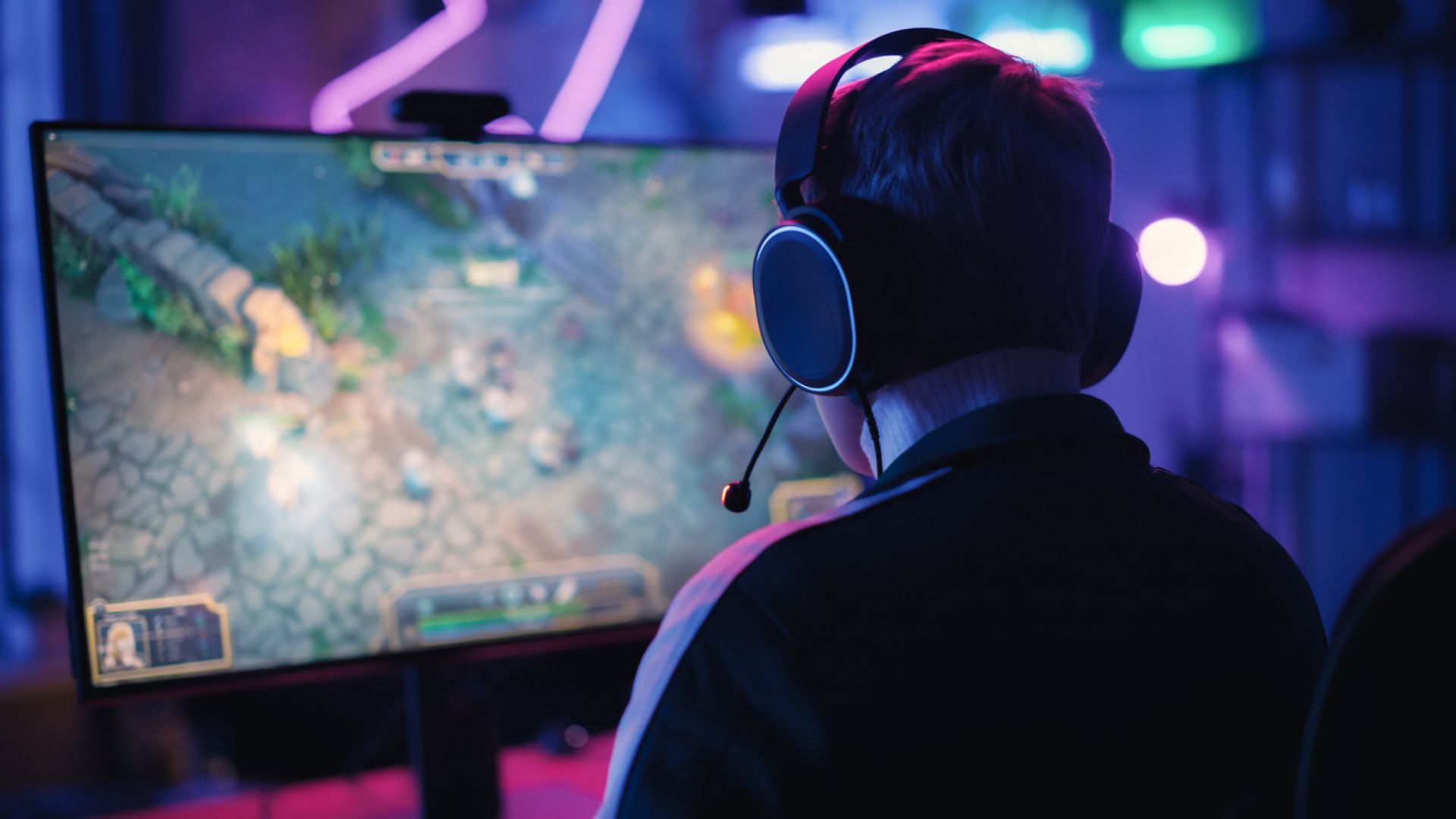
Even when no real money is involved, the simple act of clicking “play again” teaches the brain to look for the next burst of excitement. Over weeks and months, these short sessions stack up until they form new digital habits.
Understanding how these habits grow helps parents, teachers, and even game designers guide healthy screen time. The story of free games is also the story of modern focus and self-control.
The Reward Loop Behind Every Click
Scientists have long known that the brain loves fast feedback. Free online games deliver that feedback in seconds. A level is cleared, stars pop, the screen flashes, and happy sounds play.
Each small success releases dopamine, a chemical that says, “Good job, do that again!” Because the reward arrives so quickly, the brain starts to expect it. Soon the player does not want to leave until the next badge or spin appears.
This loop is called operant conditioning, and it is the same trick used by slot machines and social media likes. The difference is that a free game can hide hundreds of loops inside puzzles, runners, and card decks.
Kids and adults keep tapping, hoping the next round feels even better than the last. Over time, attention narrows. Homework, chores, or a chat with a friend may feel slow because they do not light up the brain in the same rapid way.
Micro-Transactions Without Money
Not every free game asks for coins or gems. Many simply ask for slices of time. Each slice feels cheap because it lasts only a minute or two. Yet when the day ends, those slices can add up to an hour or more.
Game designers plan for this by offering “energy” systems or daily quests that refresh on a clock. Players return, thinking, “I will only finish this quick task.” By the time the task is done, a fresh alert appears, begging for another minute.
The cycle mirrors micro-transactions in paid games, but the cost is attention instead of cash. Because time is less visible than money, players overlook how much they spend. This makes free games powerful habits.
Every notification is a gentle tap on the shoulder. It reminds the player that a reward is waiting, but only if the player shows up right now. Saying “no” becomes harder each day.
Social Features Multiply Engagement
Humans are social by nature, and game studios know it. Leaderboards, friend lists, and cooperative events turn a solo pastime into a group ritual. When a new city-building challenge opens, everyone rushes to hit a score that appears beside classmates or coworkers.
Even if the game itself feels simple, the wish to keep pace with peers keeps players logging in. Push messages like “Your friend just passed you!” poke pride and spark instant returns. The social layer also lowers the fear of missing out.
If a whole group checks the game during lunch break, skipping the session can seem rude. These pressures fit neatly into school halls and office chat rooms. They carry the game’s influence beyond the screen and into real-world talk.
Over many months, this social glue can even spill into weekend meet-ups centered on the game itself and shared jokes afterward.
Every conversation about strategies or event times cements the habit further. Attention stays hooked because leaving the game might mean leaving the group behind, for good measure.
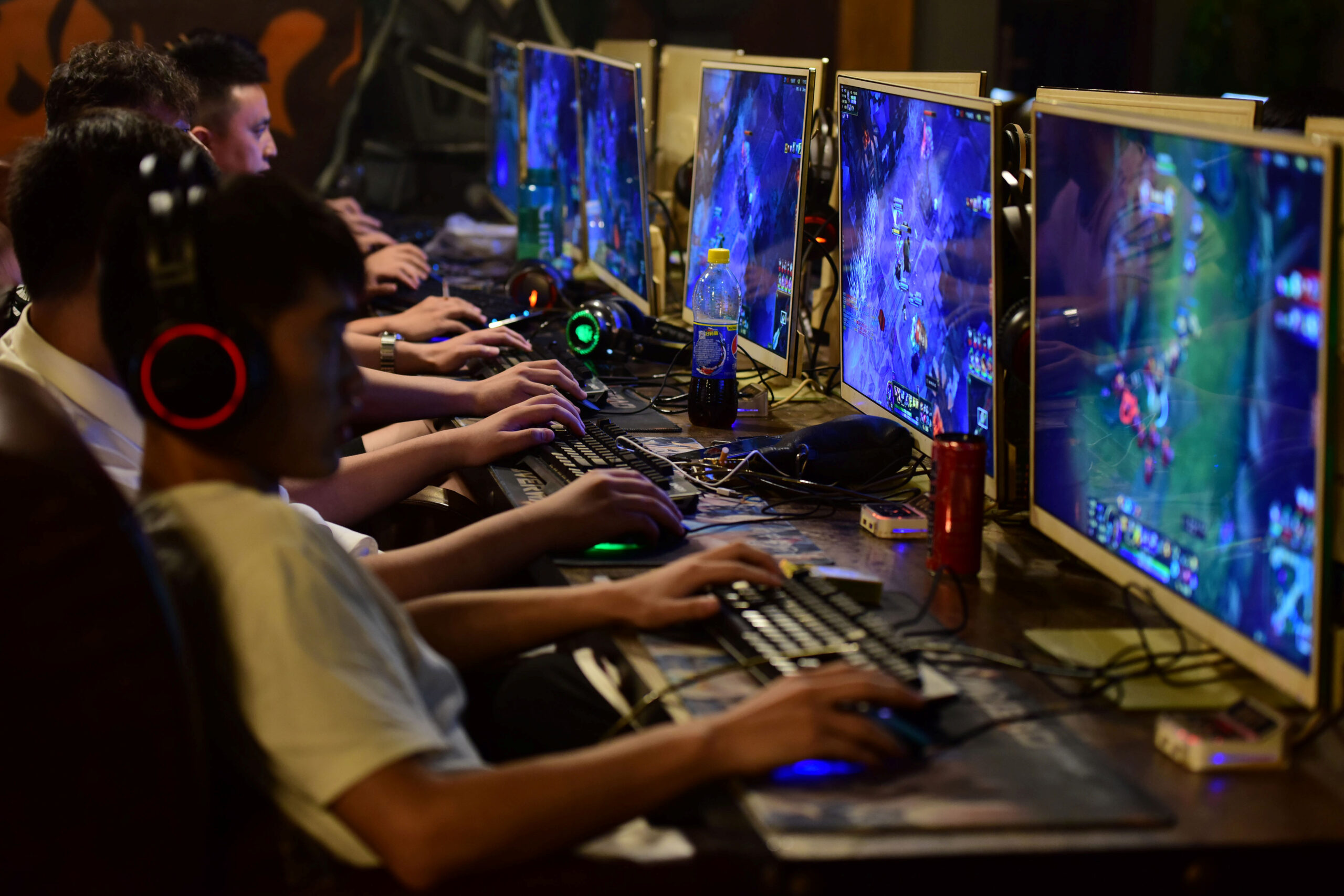
Guiding Healthier Digital Routines
Knowing the tricks makes it easier to fight them. Families and teachers can start by setting clear play windows, such as “after homework” or “before dinner.” A visible timer helps players feel the passing minutes, turning hidden time costs into something real.
Another helpful step is to keep devices out of bedrooms at night. Bright notifications cannot tempt a mind that is already resting on a shelf. In classrooms, group discussions about design choices—colors, sounds, reward loops—train students to see behind the curtain.
Once the magic is exposed, the pull weakens. Adults can also model balance by choosing mindful breaks: a walk, a stretch, or a chat. Game developers have a role, too. They can add settings that limit sessions or mute alerts after a set number of levels.
Small tweaks like these protect attention without ruining fun. With shared effort, free games can stay a joy, not a quiet thief of hours.