
How 3D Animation Outsourcing Works for Game Studios
Few game teams have every skill they need in house. A small studio might build strong levels but lack people who animate characters.
A larger studio might need extra hands during a busy month. In both cases, sending animation work to an outside team fills the gap.
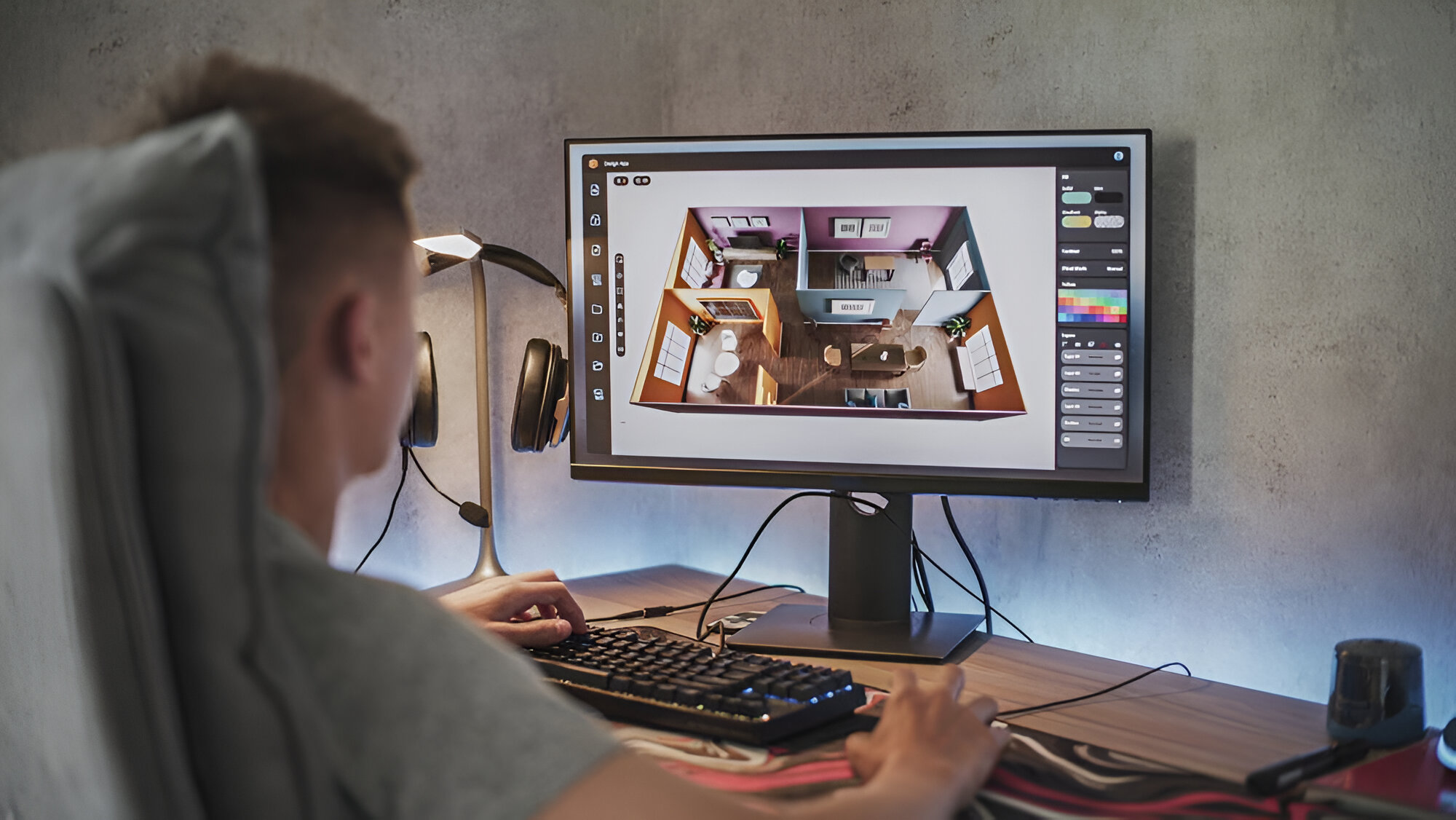
Many studios reach this point and start to look for help. If you want a clear sense of how the process runs, this guide to 3d animation outsourcing covers the practical side.
The idea is plain. You share your assets and goals, and a partner team handles the motion while your core team stays on the game.
What Outsourced 3D Animation Includes?
An outside team can take on many kinds of motion work. Some studios want a few character walk cycles. Others need full sets of combat moves, idle loops, and cutscene shots. The scope depends on your game and your budget.
Common types of work
- Character animation such as walks, runs, jumps, and attacks
- Creature and monster motion for fantasy or horror games
- Prop and object animation like doors, traps, and machines
- Environment motion such as wind, water, and moving scenery
- UI and menu motion for buttons, popups, and screen transitions
Why Studios Send Animation Work Outside?
Cost is the first reason most people name. A full animation team costs a lot to hire and keep busy through quiet stretches. An outside partner lets you pay for the work you need and skip the long term overhead.
Speed counts too. A larger team can split a backlog and hit a tight deadline that one or two artists could not reach alone.
Skills you may not have at home
You also gain access to artists with skills your team lacks. Some groups know slot game motion well.
Others focus on AAA combat or stylized mobile art. You pick a partner whose past work fits your style and your genre.
How the Process Runs?
Most projects start with a brief. You describe the game, the engine, and the look you want. You share reference art and any rigs you already own.
The partner team studies the brief, asks questions, and gives you a price and a timeline before any work begins.
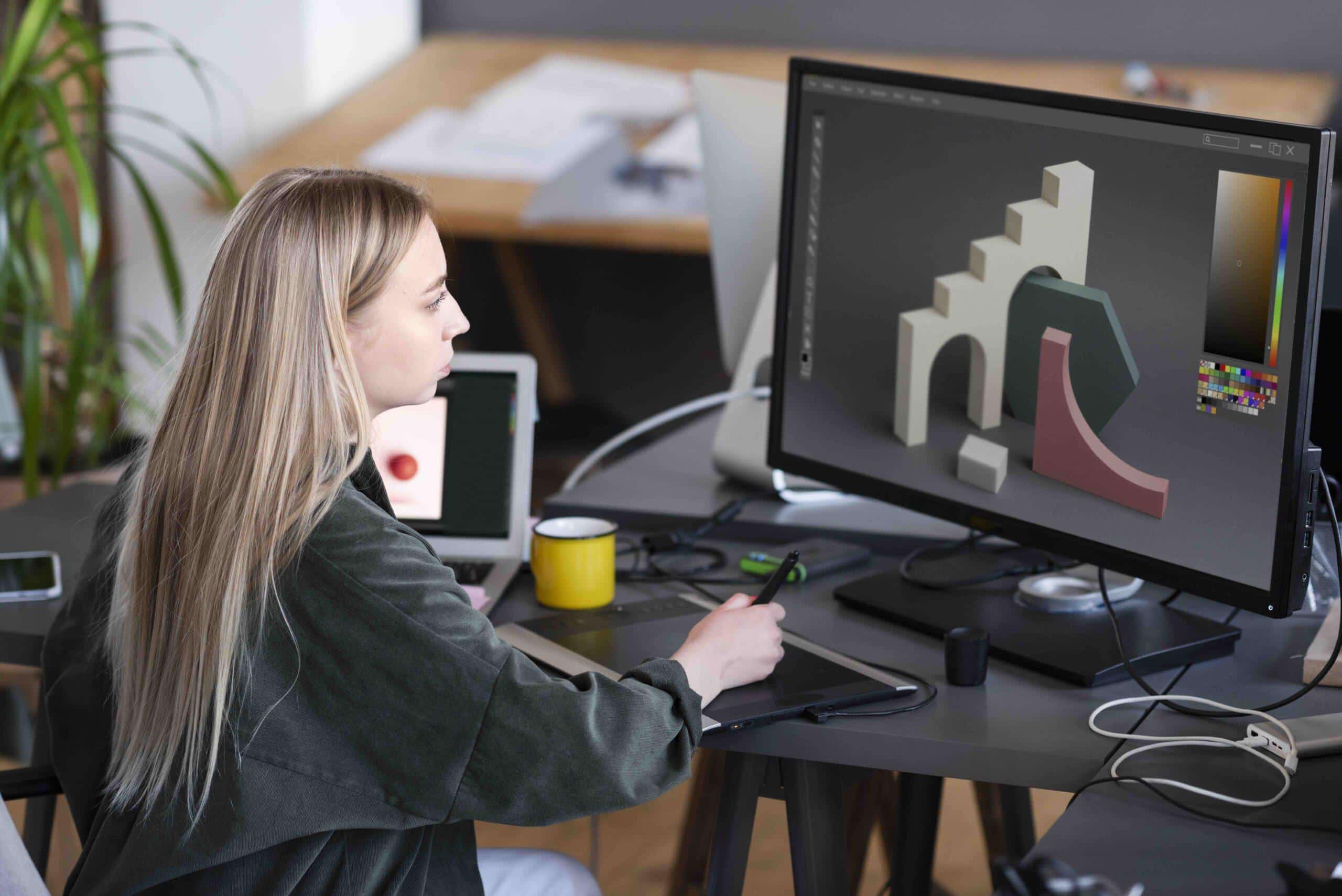
A typical flow
After you agree on terms, work moves in stages. The team sends early drafts so you can give notes.
You review, request changes, and approve shots one at a time. At the end, they export files that drop into Unity, Unreal, or a custom engine.
How to Pick the Right Partner?
Look at the portfolio first. Check that the motion feels right for your kind of game. Ask which tools they use, since Blender, Maya, and 3ds Max each fit different pipelines. Talk with them before you commit. Clear talk at the start saves trouble down the line.
Outsourcing is not a cure for a weak plan. It works best when you know what you want and explain it well.
With a solid brief and the right partner, your team stays free to build the game while trained artists handle the motion.