
A Closer Look at Interactive Games That Mix Strategy and Chance
Players often look for digital games that offer short, rewarding sessions with just enough depth to hold attention. Rather than focusing on complex controls or long campaigns, there’s strong appeal in formats where results come quickly, yet still offer some level of involvement.
These games may use number patterns, grids, or sequences where the player takes small actions that influence outcomes. With each move, the balance between player decisions and random results shapes the experience.
This mix is gaining traction among casual users who want play that’s light, but still feels active. As formats continue to adapt, the way strategy and unpredictability work together has become part of what makes some interactive games stand out.

How Strategy and Chance Work Together in Interactive Games?
Strategy in light interactive games often comes down to small decisions with clear effects. It might involve choosing which tile to click next, when to use a limited move, or how to position an item for best effect.
These decisions are made within a framework where chance plays a part, such as which symbol appears, or which number gets drawn next.
Players are not trying to plan five steps ahead. Instead, they react to new inputs and make quick choices. A well-timed move might complete a row or trigger a bonus. The next round could go differently based on random outcomes, but some level of control remains.
This format works well for short play sessions. It rewards pattern recognition, quick judgment, and awareness of timing. The unpredictability keeps things fresh, while the user still feels involved.
Many free puzzle or grid-based games rely on these mechanics, where users must balance what they can control with what they can’t.
Design Mechanics That Make These Games Engaging
The structure of these games plays a large part in why people come back to them. Grid layouts are common.
They provide a clear visual reference for progress. Players often aim to complete lines or fill spaces. Symbol matching or number sequences are used to keep gameplay moving while providing visible feedback.
Some games include bonus triggers. These could appear after forming a set number of matches, completing specific shapes, or filling a particular space. The reward might be a score boost, a multiplier, or an extra move.
Some games even build hidden objectives into each round, allowing players to uncover new rewards each time. These additions act as ongoing motivators, giving the player more to aim for beyond standard play.
A Modern Example of This Format in Use
Some interactive games take the idea of blending decision-making and randomness even further.
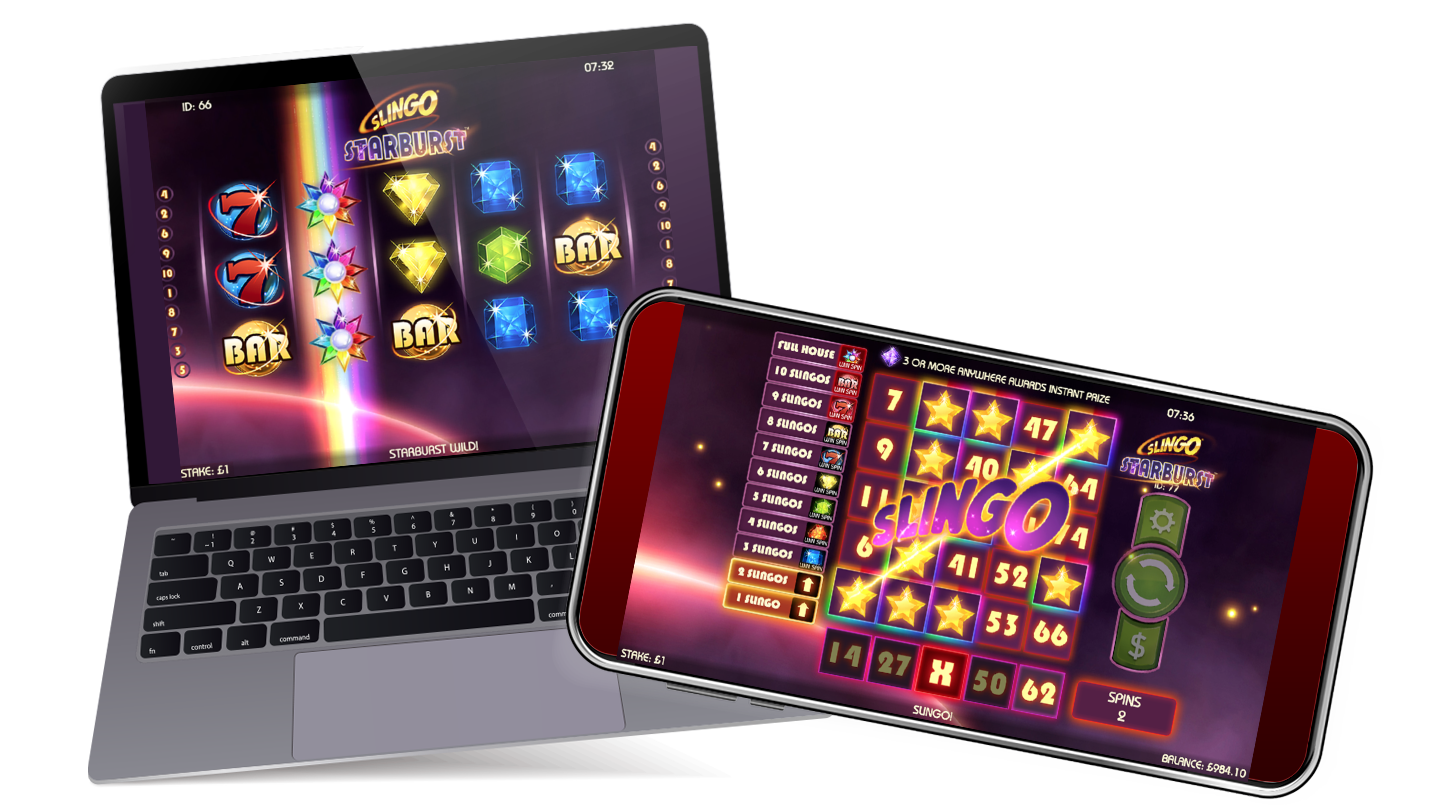
One example is Slingo Starburst. This title combines a 5×5 grid with spinning elements, allowing players to mark numbers as they appear. The goal is to complete lines, known as Slingos, which then move the player up a reward ladder.
This Slingo game stands out because it introduces symbol-based play with gem visuals and special bonuses. Certain symbols activate wild re-spins, helping the player continue building towards a full row.
Others deliver instant payouts or trigger additional spins. These features keep gameplay active while giving users the chance to shape their session through choices.
Unlike traditional games where everything is either random or based on skill, titles like this encourage a balance.
Players must track available moves, consider which areas of the grid are worth focusing on, and react to bonus features as they activate.
Games that sit between bingo-style structure and slot-like visuals offer something different from both.
They allow casual players to engage with chance-based play without feeling locked out of decisions. This blend is key to keeping sessions enjoyable and unpredictable without becoming frustrating.
Why These Games Appeal to a Wide Audience?
One reason these formats continue to spread is their accessibility. Many titles run smoothly on mobile devices or browsers, needing little setup.
Players can load a game quickly, play for a few minutes, and leave without losing progress or needing to commit large amounts of time.
The blend of chance and control also creates a soft challenge. There’s enough input required to feel involved, but not so much that the player must learn complex rules.
Sessions are short. Visuals are usually clear. Sound effects provide fast responses to actions. Combined, these qualities help users feel satisfied without pressure.
Keep Exploring Games That Mix Fun and Flexibility
Interactive games that use both strategy and chance continue to grow in popularity because they offer something clear, accessible, and varied. Each session gives new outcomes, while the user stays active in small decisions that shape results.
If you enjoy puzzle games, number grids, or formats where you can dip in and out without much setup, keep exploring games that blend these features. There’s a wide variety available online, many of which are easy to try without downloads or long instructions.
You may find that this balance between control and unpredictability adds a fresh layer of fun to your routine — and offers a style of play that fits easily into your day.