
UI and UX Frameworks in Slot Game Interfaces: Why Every Spin Feels Intuitive
Open any modern slot game and you’ll notice how easy it feels to play. The colors make sense, the buttons sit exactly where you expect, and even the smallest animation feels perfectly timed. It doesn’t ask you to think; you just play.
That kind of natural flow doesn’t happen by luck. It’s built through layers of design systems and frameworks that quietly shape how each spin looks, sounds, and feels.
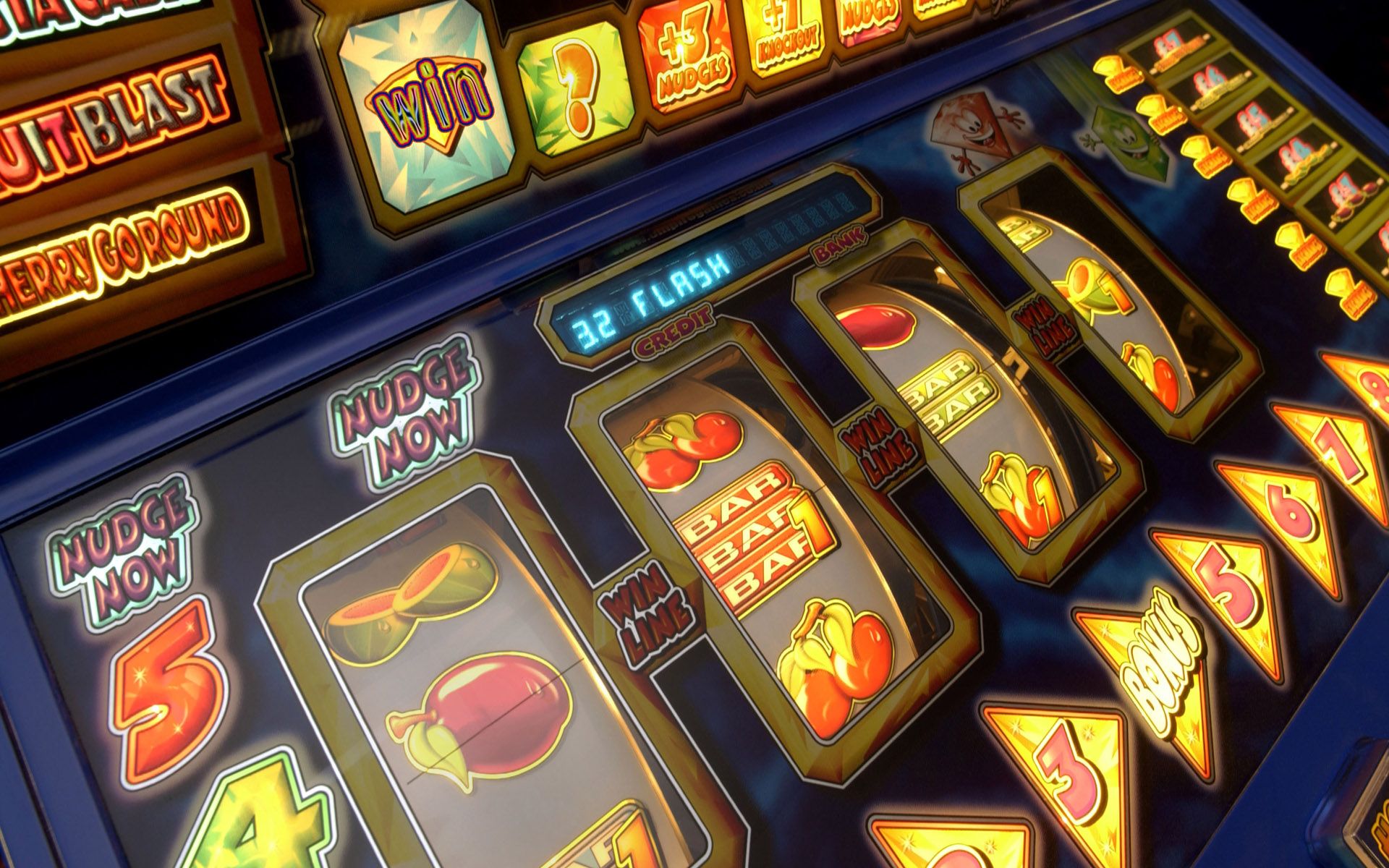
Slot games have evolved far beyond simple reels and flashing lights. Today they’re built like small worlds, each one tuned to deliver rhythm and emotion through design.
Developers spend weeks fine-tuning movement, color contrast, and visual pacing so that everything feels smooth and familiar from the first spin.
You can see this attention to detail in the design of modern online casinos offering slots and a variety of spingames, where every spin moves with precision, every button reacts instantly, and each symbol lands with satisfying weight.
JackpotCity and other leading platforms have refined the balance between usability and excitement, blending motion and structure into one seamless rhythm.
The Architecture of Feel
Designers often describe a good slot game as having its own pulse. That pulse comes from the relationship between player and screen: how quickly reels move, how buttons respond, and how light guides the eyes.
UI frameworks make that possible. They define spacing, color, and interaction rules so that everything behaves in a way that feels predictable.
The spin button is where your thumb naturally rests, the payline flashes just long enough to catch attention, and transitions between rounds feel steady.
This kind of consistency keeps players comfortable even when themes change. Whether you move from a classic fruit reel to a fantasy spin game, the underlying logic remains the same.
The brain doesn’t need to relearn patterns. That familiarity builds trust, and trust keeps the experience immersive.
The Tech Beneath the Motion
Modern casino studios rely on advanced frameworks and engines to handle motion and timing. These systems allow designers to build small interactive elements: buttons, reels, animations – that can be reused across hundreds of games.
Each element follows the same internal rhythm, which keeps everything aligned. The result is that two completely different games still feel like they belong to the same family.
Performance is another invisible piece of the puzzle. Slots use GPU acceleration to render animations and manage thousands of tiny movements at once.
When a player presses spin, the reels react instantly, the sound syncs perfectly, and the background layers move in harmony. There’s no delay, no lag; just a clean, continuous flow.
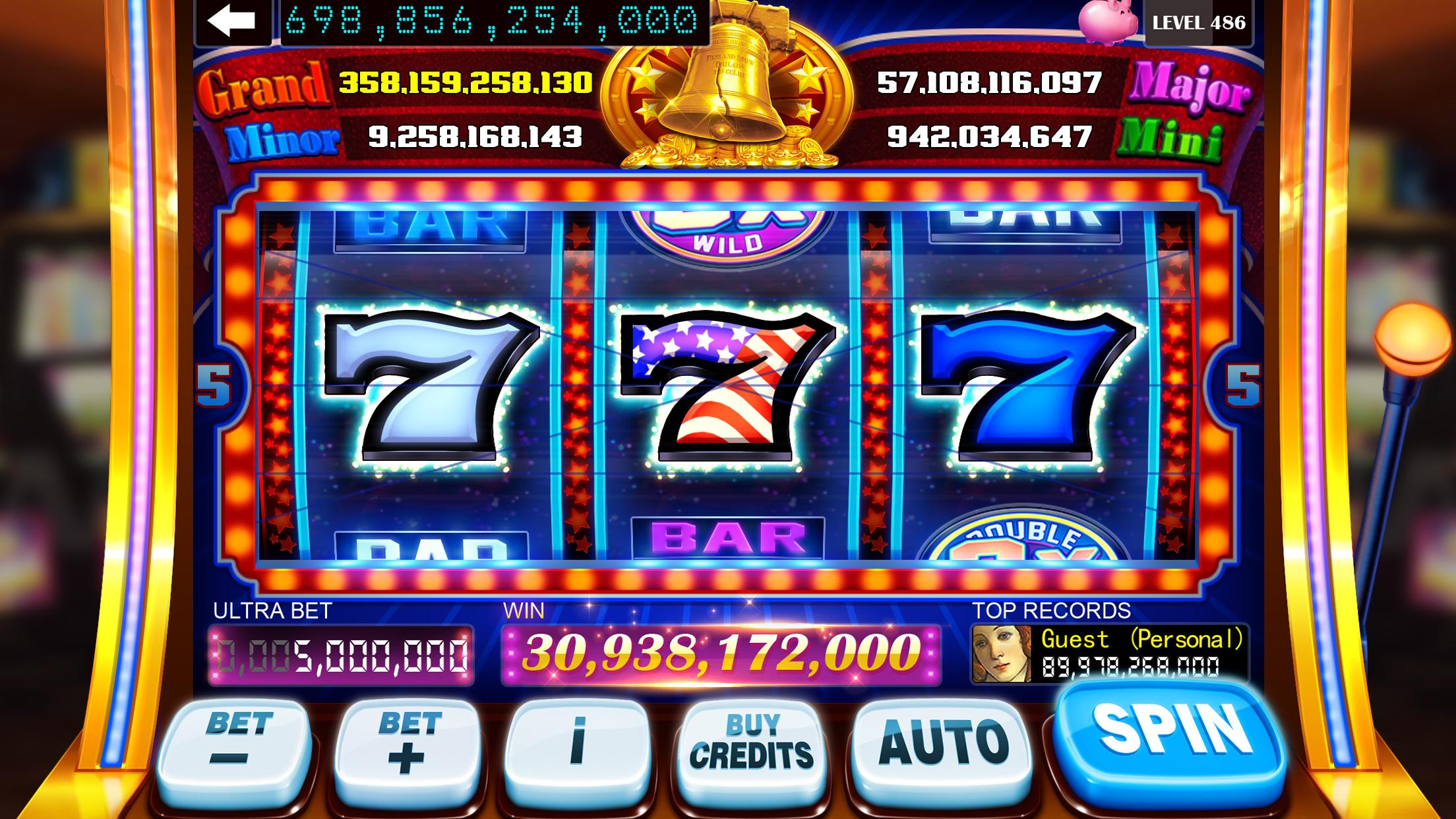
The Rhythm That Pulls You In
What makes modern spin games so compelling isn’t only the thrill of the win, but the way everything feels connected.
The reels have momentum. The sound rises and falls with motion. Even the smallest flicker after a near miss is designed to evoke emotion. Players don’t think about this rhythm, but they feel it.
That’s the quiet power of good design. It fades into the background and lets the moment take over. Behind every effortless spin is a network of code, color, and timing that turns motion into feeling, and keeps the experience alive, spin after spin.