
How to Organize and Understand Your CS2 Skin Inventory
A new CS2 inventory is usually fairly easy to manage. Weekly rewards, cases, stickers, graffiti, and spare weapon skins accumulate over time. It can be hard to know what’s valuable as a collector’s item and what’s tradable.
The inventory organization process starts by separating everyday skins from collectibles and unwanted items.
After that, the specifics that affect their value are examined. Below are some recommendations to help you keep your inventory under control.
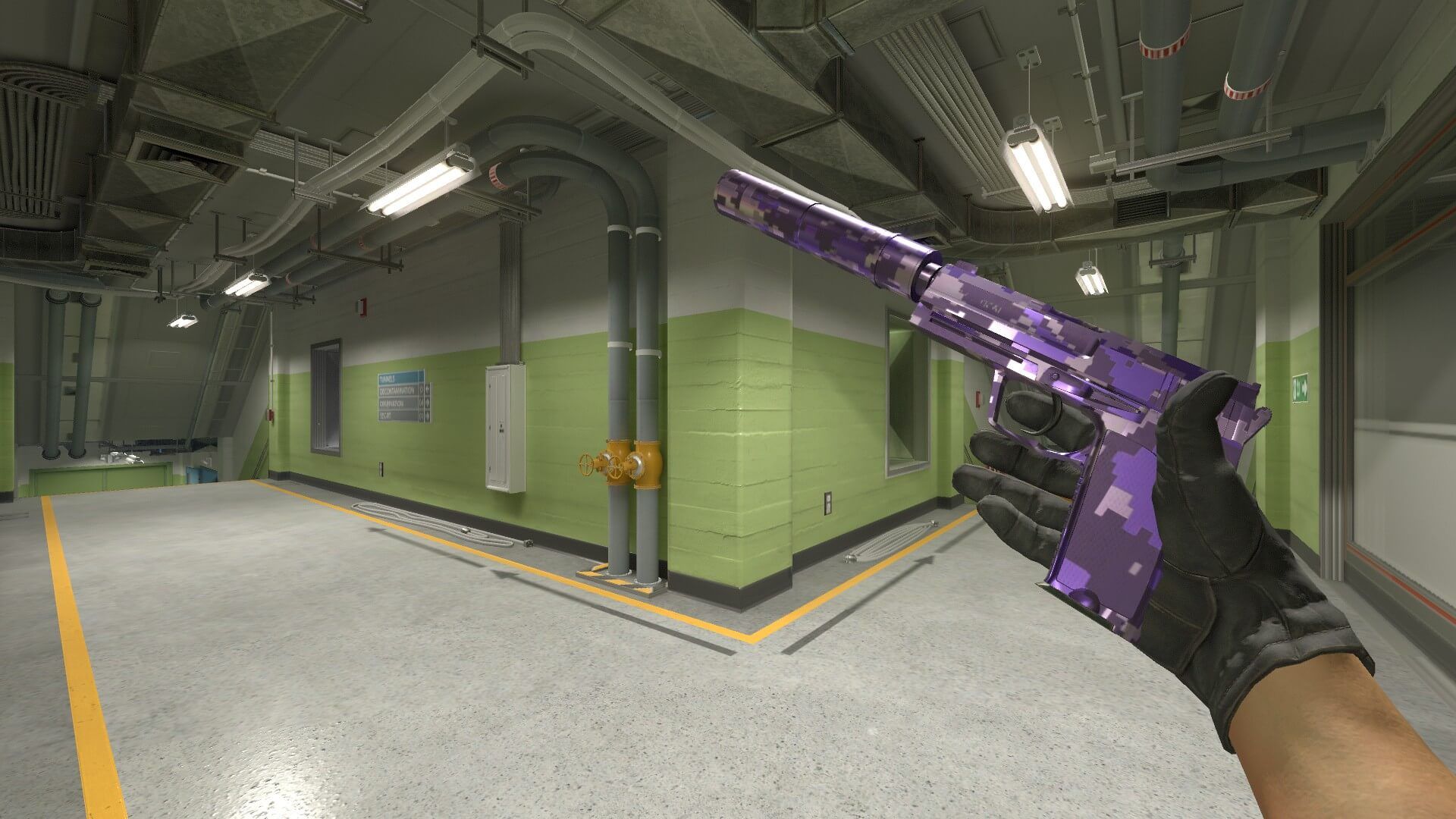
Know What You Own
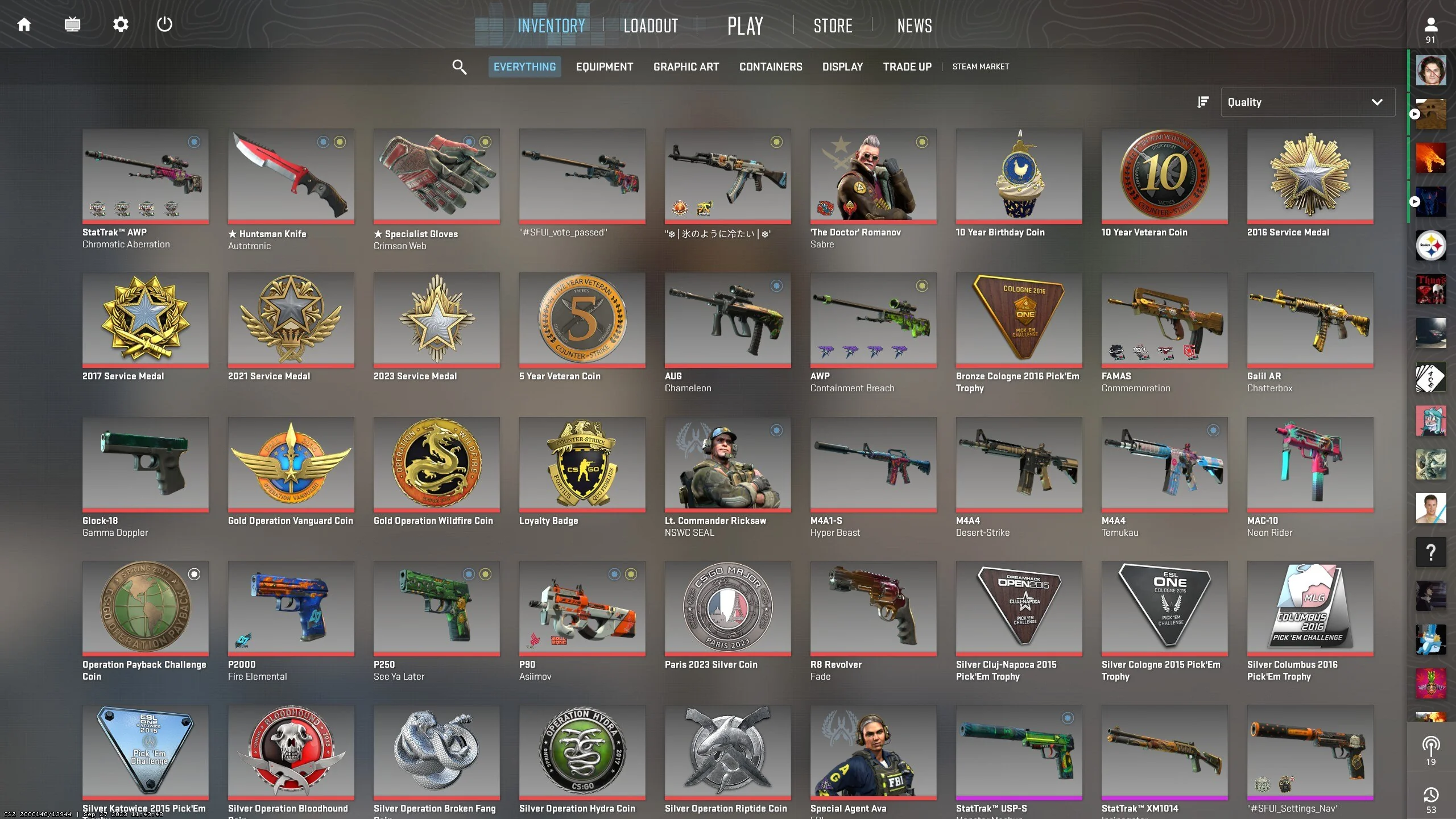
Weapon skins make up only one part of a CS2 inventory. It may also contain knives, gloves, agents, cases, sticker capsules, individual stickers, graffiti, music kits, charms, and Souvenir packages.
These items do not all work in the same way. A weapon skin, knife, pair of gloves, agent, or music kit can be equipped.
Stickers and charms are applied to eligible weapons. Graffiti has a limited number of uses, while cases and capsules are containers that must be opened before the result is known.
StatTrak and Souvenir are not separate rarity grades. StatTrak weapons have a counter that records kills made by the owner.
Souvenir skins come from tournament souvenir packages and carry event-related stickers. Their origin and available finishes differ from ordinary case skins.
Set Up the Active Loadout First
Start with the weapons commonly used. Be sure to check the Counter-Terrorist and Terrorist loadouts, as some slots have weapons that are exclusive to either side.
Load up with your favorite skin for each of the rifles, pistols, SMGs, shotguns and sniper rifles that can be found in normal gameplay.
The remaining items can be divided into three broad groups: collectibles, possible sales, and unused low-value items. A skin does not need to be equipped to justify keeping it.
Rare patterns, old sticker crafts, and discontinued collection items may belong in the collection even when their weapons are rarely used.
Choose One Way to Group Skins
There is no universal sorting method. Someone building a single-colour inventory may group skins only by the design.
A collector may care more about collections, tournament skins, patterns, or sticker crafts. A player with several alternatives for the same weapon may prefer to keep all AK-47 or AWP skins together.
The method should match the reason the CS2 items were purchased. Mixing several sorting groups usually creates more chaos.
If cases are arranged by release date, stickers by price, and weapon skins by colour, the owner has to remember a different rule for every category. If possible, it’s best to keep your skin sorting simple.
Read the Full Skin Description
The name of the weapon and its design simply defines the base skin; they do not provide any characteristics regarding a particular copy of the skin. Exterior categories such as Factory New, Minimal Wear, and Field-Tested cover ranges of wear.
Float value gives the precise number within the range permitted for that finish. Pattern index determines how the finish texture is placed on the weapon. On many skins, the difference between pattern seeds has little effect on price.
On Case Hardened, Fade, and several other finishes, the pattern can change the appearance enough to create collector premiums.
Applied stickers also need inspection. Their type, position, rotation, and scraped condition affect how the craft looks.
The market price of an unused sticker cannot simply be added to the weapon after application because the sticker can no longer be removed and sold separately.
Estimate the Inventory’s Value
An inventory calculator reads publicly visible items and applies prices from a selected market. Automated CS:GO inventory checkers handle ordinary skins reasonably well when recent sales are available.
They are less reliable for rare patterns, unusually low floats, valuable sticker crafts, or items that seldom sell.
A tool may price such a weapon as an ordinary copy or use an ambitious active listing instead of a completed sale.
For a more realistic total, check expensive items separately and subtract any selling or withdrawal fees. The amount shown by a calculator is not necessarily the amount that could be received quickly.
Conclusion
A well-organized inventory should make it easy to find the skins you use, find the items you want to keep, and find any items ready to be traded or sold.
Start with the active loadout, then separate collectibles, spare skins, cases, and trade-up items. The name and exterior aren’t everything. Check the float, pattern, stickers, and restrictions before moving or pricing an item.
Use inventory checkers for this, as it speeds up the evaluation, especially for huge inventories with hundreds of skins. Storage units can keep large groups out of the main inventory and a simple purchase record is useful for valuable items.
As the collection grows, it becomes easier to understand, and consistent reviews prevent it from getting cluttered.