
Why Ranked Progression Keeps Competitive Games So Addictive
Most players can name the exact moment a game stopped being casual. It usually happens the first time a rank appears on the screen. A number attaches itself to your skill, and suddenly every match means something.
Win, and it climbs. Lose, and it slips. That small shift, from playing for fun to playing for a number, is the engine behind some of the most time-consuming games ever made.
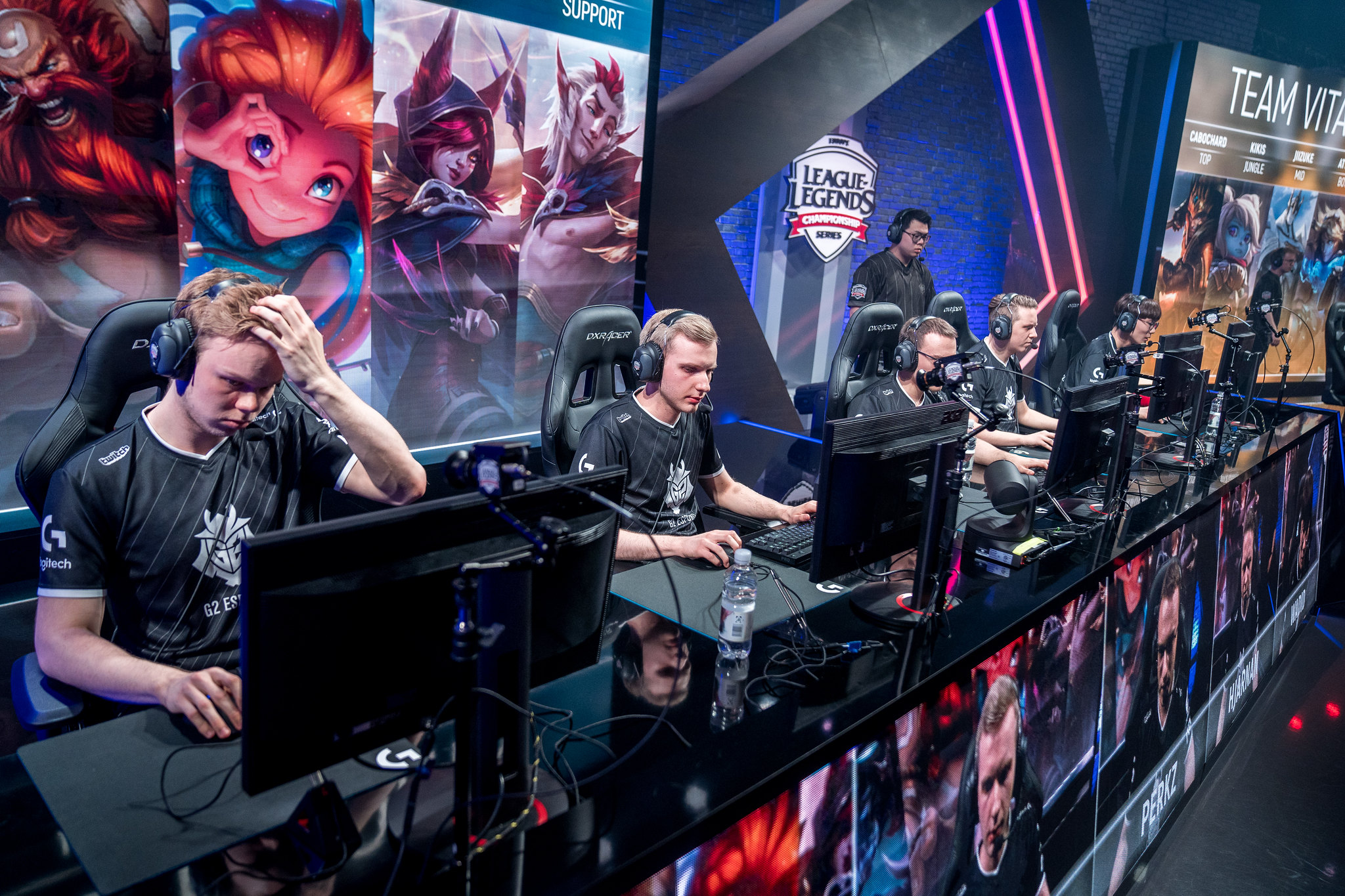
Why a Single Number Changes Everything?
A casual match is forgettable. A ranked match is recorded. The moment a game assigns a visible tier or rating, it stops measuring one session and starts measuring the player.
This is why competitive ladders feel heavier than they should. The score is not just feedback on the last game. It is a running statement about how good someone is, displayed for anyone who cares to look.
That public, persistent quality taps into something old. The same drive that pushes people to chase high scores and leaderboard spots is the drive that makes a ranked badge feel like an identity.
The psychology of why people are hardwired to love competitive play runs deep, and ranked systems are simply the most efficient way games have found to bottle it.
Once a number represents you, protecting it and raising it becomes the point.
The Climb Feels Like Mastery
Ranked progression works because it makes improvement visible. In most activities, getting better is a vague feeling. On a ladder, it is a measurable line that moves up.
The catch is that the climb gets steeper near the top. Each rank demands more wins, tighter play, and a higher tolerance for pressure. For some players, the grind becomes intense enough that an entire market has grown around it.
Services offering things like Rainbow Six Siege boosting exist because the distance between where a player sits and where they want to be can feel too wide to close alone. Whether or not someone uses them, their existence says a lot about how much a rank can matter.
Researchers who study games point to competence as one of the strongest motivators in play.
A foundational study on what drives video game motivation found that the sense of growing skill and effectiveness predicts how much players enjoy a game and how long they keep coming back. Ranked modes deliver that feeling on a schedule. Every tier is proof of progress.
Unpredictable Rewards Keep Players Queuing
Climbing is never guaranteed. A player can perform well and still lose because of a teammate, a bad matchup, or plain variance. The next win is always possible but never certain.
That uncertainty is not a flaw in the design. It is the same mechanism that makes slot machines hard to walk away from. Behavioral psychologists call it a variable-ratio schedule of reinforcement, where rewards arrive after an unpredictable number of attempts.
Behavior reinforced this way is unusually persistent, because the brain keeps expecting the payoff to land on the very next try.
Ranked queues run on exactly that logic. One more game might be the win that pushes you up a tier. So players queue again.
The difference between a predictable and an unpredictable reward shows up clearly in how long people keep playing.
| Reward structure | What it looks like in play | Effect on the player |
| Predictable | A reward after a fixed number of wins | Drive fades once the reward is claimed |
| Unpredictable | A climb that could arrive on any match | Players keep queuing to chase the next result |
| Loss-linked | Points that can be taken back | Play continues to defend what was earned |
When Each Session Blurs Into the Next?
Individual ranked matches are short. The progression they feed is not. A single session rarely changes much, which is precisely why players keep stacking sessions on top of one another.
This is how a ladder turns into a habit. The reward is always a game or two away, the loss is always a game or two behind, and the loop has no natural endpoint.
Looking at what happens when you play the same game over and over shows how repetition reshapes attention and expectation until the next match feels less like a choice and more like a reflex.
The ranked season then adds a clock. Soft resets, placement matches, and end-of-season rewards all give players a reason to grind now rather than later.

Losing Hurts More Than Winning Feels Good
There is a second, sharper pull underneath the climb. In most ranked systems, you can lose what you earned. Points go down. Tiers get demoted. Progress is not safe.
This matters because of how people weigh outcomes. Decision-making studies show that losses tend to loom larger than equivalent gains, with the sting of dropping points outweighing the satisfaction of earning the same amount. A demotion hurts more than a promotion pleases.
Ranked design quietly leans on this. The fear of falling keeps players grinding to defend a position, not only to advance. Standing still starts to feel like losing ground, so they keep playing just to stay where they are.
The Line Between Engagement and Compulsion
None of this makes ranked modes bad. The same systems that pull players in also give competitive games their depth and their community. A well-built ladder is one of the most satisfying structures in modern gaming.
The risk shows up when the number starts to outweigh the game. A few signs that the rank has taken over:
- A single loss sours the rest of the evening
- Sessions run long past the point they stopped being fun
- Queuing continues mainly to avoid dropping a tier, not to get better
- The rank gets checked more often than the gameplay gets enjoyed
When the progression stops serving the fun and starts replacing it, the line has been crossed. Spotting that line is the difference between a hobby and a chore.
Ranked progression is addictive because it stacks several psychological levers at once. It turns skill into a visible number, rewards effort unpredictably, and makes losses bite harder than wins feel good.
Together, those forces explain why competitive players keep saying one more game long after they meant to stop. The systems are not magic. They are just very good at speaking to the part of us that has always wanted to climb.