
Why Live Casino Games Are Built Around Small Moments of Choice
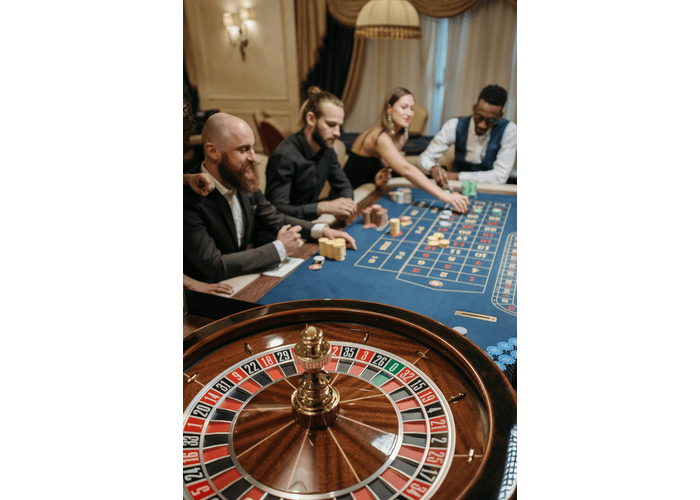
U.S. online casino revenue reached $8.41 billion in 2024 across the seven states with full-scale legal iGaming, up 28.7% year over year, according to the American Gaming Association’s Commercial Gaming Revenue Tracker.
That growth gives you a useful reason to look closer at how these games are designed, especially live casino games, where the experience often comes down to a few simple choices, a short wait and a result you can understand right away.
If you’ve ever tried betway live casino games, you’ll recognise the pattern straight away. Every live casino game feels a little different, and the player never controls the outcome.
What the format does offer is clear interaction design: a decision appears, the game responds and the next step becomes easy to follow.
Researchers call these built-in game details structural characteristics, covering things such as event frequency, betting options, reward structure and feedback timing.
So let’s slow the whole thing down.
Little Clicks with Big Clarity
The first reason live casino games feel approachable is that they usually don’t ask you to understand everything at once.
You might join a table, choose a seat, place a chip, wait for a card, or decide whether to take part in the next round. Each step is small enough to process without needing a long manual.
That’s the clever part of the format. The game gives you one clear point of attention at a time.
A study by Auer and Griffiths found that certain characteristics explained 26% of the variance in the number of games played in an online gambling session.
The same study found that structural characteristics alone explained 7.7% of the variance in the number of bets placed, with event frequency identified as the most important structural characteristic for games played in a session.
Event frequency is about how often something happens. A game with a quick rhythm gives you repeated moments to decide, wait and respond.
That rhythm can make a simple action feel more engaging because the next step arrives before your attention has wandered.
You’ll know this feeling from plenty of non-casino digital experiences too. A quiz works because the answer appears.
A basic web game works because the next click is obvious. A progress bar works because it gives your brain a tiny signal that something has moved forward.
Live casino games borrow from that same readable structure. The appeal isn’t that the choice is complicated; it’s that the choice is clear.
A clear decision doesn’t mean a controllable result. It simply means the interface helps you understand what you can do next.
The Feedback Feels Like a Finish Line
Once you make a small choice, the game needs to close the loop. A card appears. A wheel stops. A dealer announces the result. The table resets. The round has a beginning, a middle and an end, even when it takes very little time.
That ending is part of the experience.
Academic research helps explain why the shape of a round can be so powerful. A 2014 study on Norwegian video lottery terminal play found that reward characteristics explained 27.1% of the variance in gambling behaviour, while betting options explained 15% of the variance in the number of bets made.
For you, feedback gives a decision texture. Without feedback, a choice can feel like sending something into a blank space. With feedback, the experience feels finished, even if the outcome was never something you could steer.
This is where live casino games become interesting from a design point of view. They often make the result visible and easy to read.
You aren’t just waiting for a hidden calculation to appear on screen; you can follow the movement of cards, the pace of the dealer, or the reset between rounds.
A few design ingredients tend to do a lot of work:
- Clear timing, so you know when a decision has to be made
- Visible outcomes, so the end of the round is easy to understand
- Simple prompts, so the next available action feels obvious
- Repeated structure, so each round feels familiar after only a short time
None of that changes the nature of chance-based play. It changes how readable the experience feels.
When you think about live casino design this way, you can appreciate the interface without pretending it gives you more control than it does.
The Dealer Is Part of the Interface
The live part adds another layer. A dealer or host can guide the rhythm of the round, explain what is happening and give the screen a more social feel. In that sense, the dealer becomes part of the interface.
Think about how much easier any digital experience feels when it gives you cues. A button lights up.
A message tells you to wait. A host explains the next step. These cues lower friction because you’re not left guessing what the system wants from you.
A live dealer can make a game feel more guided, but you shouldn’t confuse that with a change in odds or player influence.
The dealer’s role is presentation, pacing and clarity. The rules and outcomes still need to be understood on their own terms.
This is where the topic becomes more useful than a standard game description. You aren’t just asking what the game is called; you’re asking why the experience feels easy to follow.
When a digital game adds a real person to guide the rhythm, does it start to feel less like software and more like a hosted event?
The Small Choice Is the Story
Live casino games are built around modest decisions that arrive one after another. That structure is easy to miss because the surface details take up so much attention: cards, chips, wheels, tables, presenters, screens. Underneath, the design is much simpler.
A small choice gives you a way in. Fast feedback gives that choice a clear ending. A live dealer or host gives the round a sense of guidance.
Put those together, and you get an experience that can feel surprisingly easy to understand, even if you’re just learning how the format works.
The forward-looking lesson isn’t about chasing outcomes; it’s about design literacy. As online wagering grows more familiar in the U.S., you benefit from knowing how these products hold attention, guide choices and make each round feel complete.
Once you can see the design behind the decision, doesn’t the whole experience become easier to understand?